
Quick and cheap fire protection
By Lucy Jaffee
No one needs to wait for the state to regulate what we can or can’t have in Zone Zero — the five feet immediately surrounding our homes — to take action.
There are quick, easy and cheap ways to start the process of protecting our dwellings by eliminating some of the items and spots that would give embers a chance to turn into flames, according to experts:
Move outdoor furniture or decor at least five feet away from the base of your home.
This easy strategy reduces the risk of an ember igniting your patio chairs and spreading fire to your house. Furniture made from plastic, wood or fabric is combustible, whereas aluminum is more fire safe. Other common culprits may be garbage bins, a kids’ playhouse and planters containing vegetation. Fire science shows keeping objects five feet away versus 10 feet makes no meaningful difference, which makes prepping your house simpler.
Replace mulch with rock.
Mulch, including wood chips, is a popular landscaping material, but easily catches fire. Pea gravel is a fire-safe alternative, said Clark Stevens, architect and Director of Resource Design at the Resource Conservation District of the Santa Monica Mountains. Other non-flammable options include stones and decomposed granite.
Cover your vents.
Embers can be sucked into attics through the vents, so the nonprofit fire-safety group My Safe: LA suggests covering those vents with ⅛-inch or 1/16-inch mesh screening. It’s a quick and inexpensive fix, even for those who don’t consider themselves particularly handy.
Tweak your gardening regimen.
Clear dead or flammable material from within the first five feet of your home. Start by raking the leaves piling beneath your trees or weeds and toss any dead plants.
Clean your gutters and cover them while you’re at it.
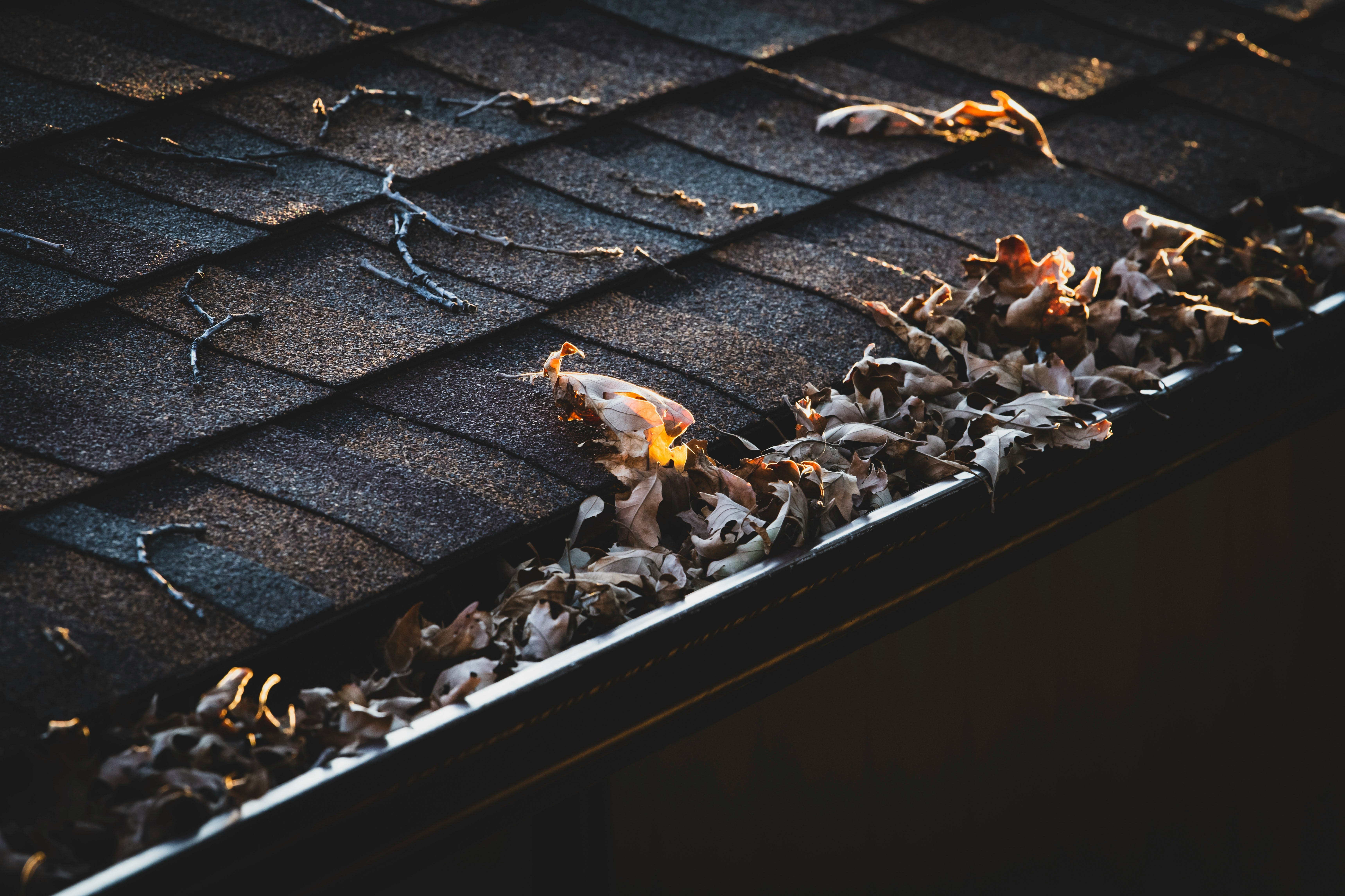
Check your gutters for leaves and twigs, random debris or a bird’s nest. All this material can catch fire easily and should be removed.
To prevent future buildup in your gutters, consider installing a metal gutter guard. These are commonly made of aluminum and steel and can be easily installed with a few screws on a free morning. Plus, they’re pretty cheap.
Lucy Jaffee is a student at Claremont McKenna College.