
Unsafe for any species
Automobiles are killing more animals in L.A. than ever before
By Crystal Villarreal
The havoc and heartache caused by L.A.’s dependence on cars can be measured in many ways: insurance bills, hospital stays, funerals. But human beings aren’t the only ones at risk. Last year a record number of animals were found dead on the streets of Los Angeles.
The number of humans killed by automobiles in L.A. peaked in 2023, when 185 people died, before dropping to 169 in 2024 and 153 in 2025, according to preliminary figures. Meanwhile, the number of animals killed by automobiles has only continued to grow, reaching a new high of 33,458 in 2025, according to new data from the city’s MyLA311 service.
That’s 35% higher than the number of animal traffic deaths in 2020, with similar increases reported by the Department of Animal Care and Control, which covers unincorporated Los Angeles County and 45 of its smaller cities.
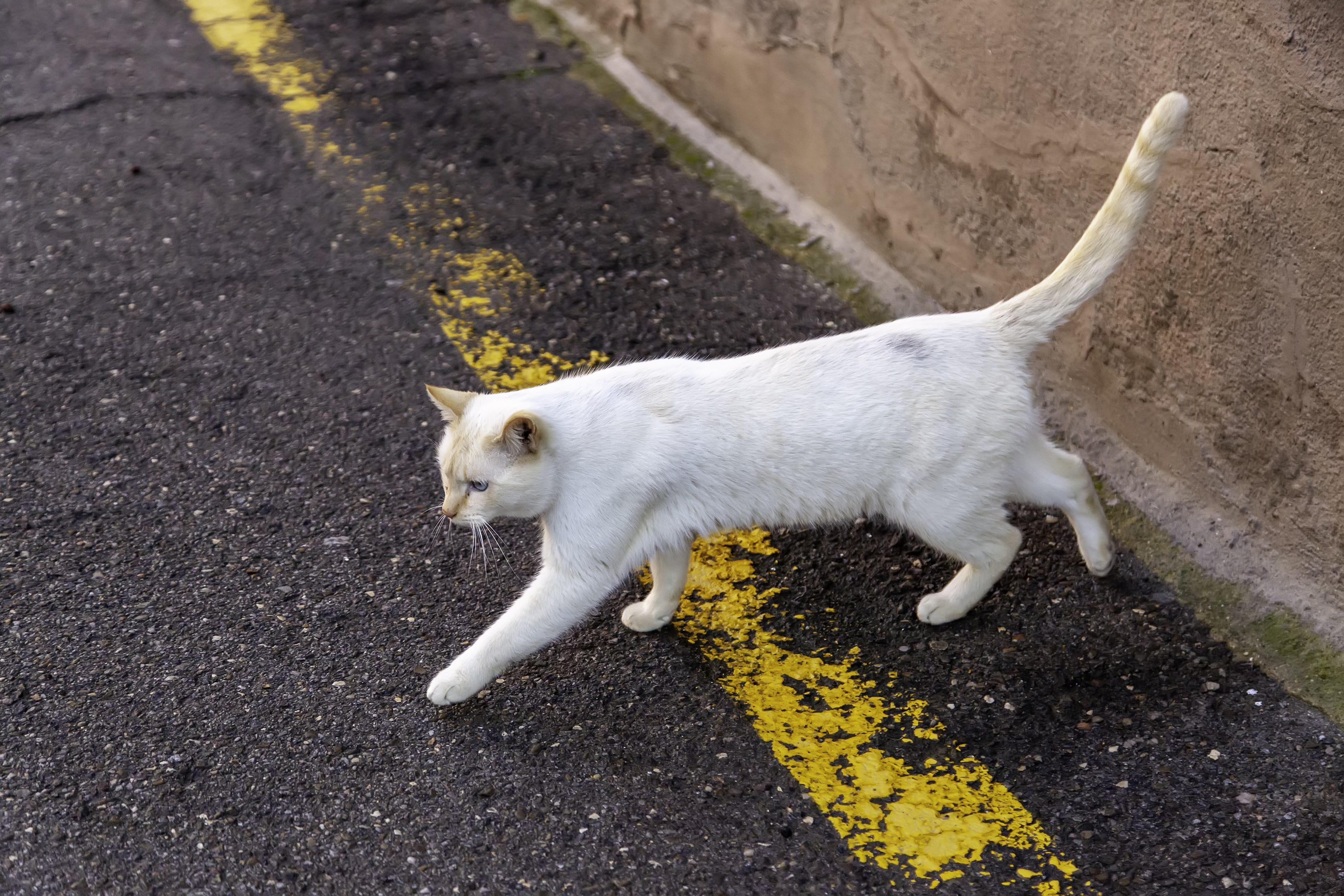
A breakdown of the types of animals killed in 2024, compiled for L.A. Reported by Crosstown L.A., a data newsroom based at USC, shows that cats made up the largest group by far, close to a third of all the dead animals picked up by the city. Dogs are the next most common victims, followed closely by opossums, a non-native marsupial.
The reasons for the diverging death rates of two- and four-legged pedestrians are complicated.
Animal accidents can sometimes be traced back to issues caused by humans, said Melya Kaplan-Tsakirides, founder and executive director of Voice for the Animals, a nonprofit animal-rights organization. Many of the domestic animals hit by cars are unneutered male cats and dogs.
“They’re looking to breed, and they run away, and people don’t spay and neuter. There needs to be stronger laws for people who are not spaying and neutering their animals,” she said.
Kaplan-Tsakirides also blames the financial picture.
“Vets are very expensive, and people cannot afford vet care,” she said. Her organization assists pet owners struggling with vet bills and food costs so they’re able to keep their pets. “The shelters are beyond capacity all over the country, and people are turning in animals, and I see it every single day.”
An increase in animal populations also may help account for the high number of road deaths. Valerie Marcano, a veterinarian with At Your Service Vet Hospital in San Pedro, attributed the increase to a rise in the cat population. San Pedro was the city’s hot spot for animals hit by cars, followed by Boyle Heights, according to Crosstown.
“My understanding is that the population of cats has been growing,” Marcano said. “If we are not spaying and neutering, cats will reproduce fairly quickly, like a female cat can start cycling at five months of age.”
Many of the city’s cats are feral — without owners and surviving on the streets. L.A. has close to 1 million of them, about one-sixth of all the cats in the city. In an effort to reduce their numbers, L.A. Animal Services created a program in December 2020 to provide groups with the resources to spay and neuter feral cats, which are then returned to the streets.
While the trap-neuter-release program should theoretically reduce the number of feral cats, the Animal Humane Society, though a proponent of the programs, concedes that they don’t reduce the populations.
Tony Tucci, chair and co-founder of Citizens for Los Angeles Wildlife, said that conserving habitat and connecting wildlife areas with safe crossings could help reduce the number of animal road deaths. “Many animals are not naturally attracted to roads,” Tucci said, “but when their habitat starts to disappear and there are no corridors available for them to traverse, the animals are forced into our streets and highways and freeways.”
Whatever the exact reasons for the increase in animal vs. human deaths in the last three years, looked at from a longer perspective it’s clear that L.A.’s reliance on automobiles makes it unacceptably dangerous for every species. Over the last decade, the number of human deaths is up 33% while animal deaths are up 38%. Four legs or two, the streets of Los Angeles are shockingly unsafe.
Crystal Villarreal is an independent journalist based in Los Angeles.
Great article, thank you LA Reported!